


Uncertainty Experts invite leaders to uncover why their calendars are driving anxiety
Uncertainty Experts, who are part of the Mediazoo Group, hosts a live session to reveal overloaded calendars are biological responses to uncertainty, not productivity failures. The digital event on 14 July will combine neuroscience and workplace data to explain why uncertainty drives busyness and reactive scheduling.
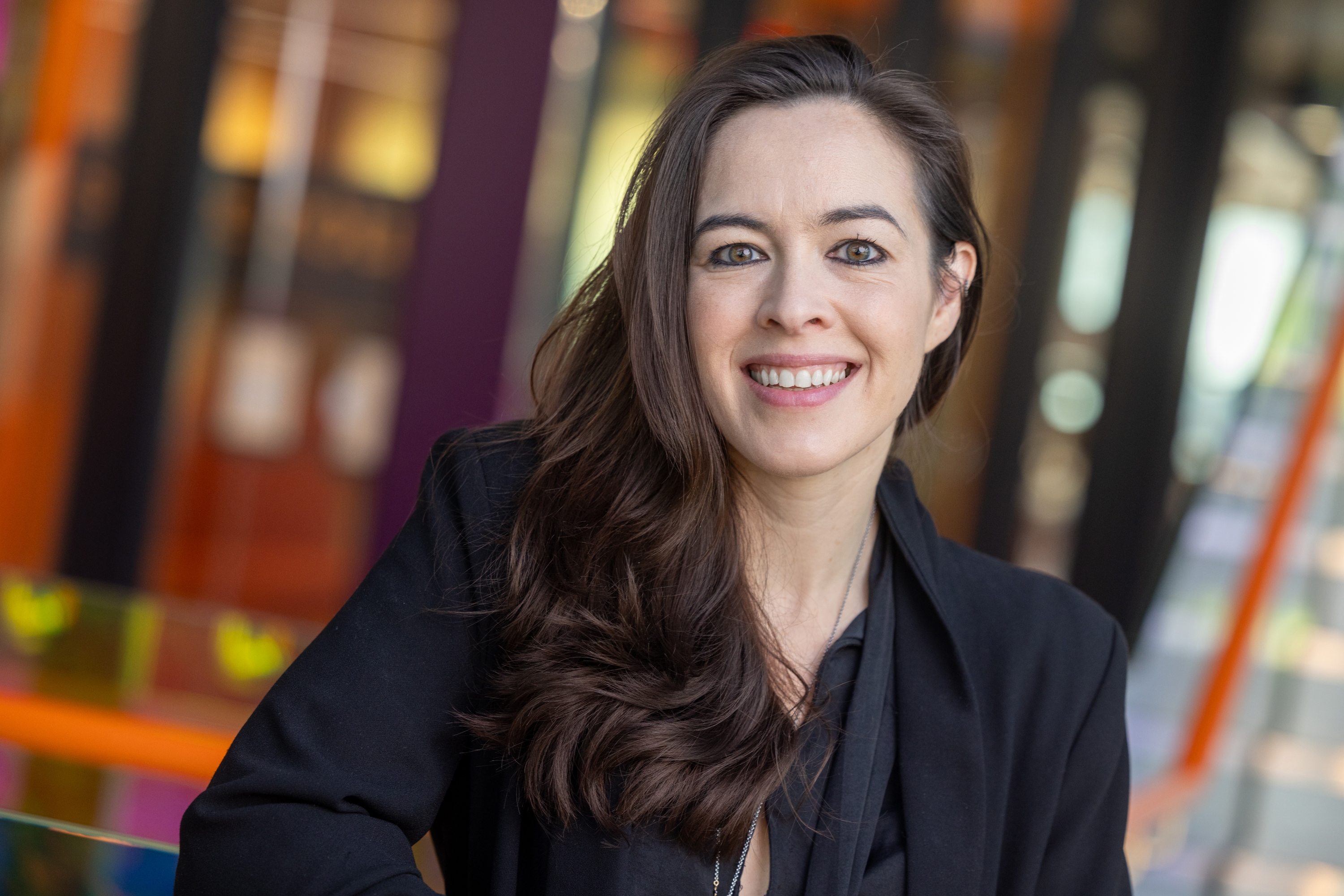
A new live session from Uncertainty Experts and the Doodle Time Institute will challenge how organisations think about time, revealing that overloaded calendars and constant meetings are not efficiency failures, but biological responses to uncertainty.
Taking place on Tuesday 14 July at 2pm GMT, the free-to-attend ‘Your Calendar Is an Anxiety Response’ brings together neuroscience and large-scale workplace data to explain why, when certainty disappears, calendars fill up.
Alongside the science, attendees will gain three practical interventions to help their organisations use time more intentionally and reduce the cycle of reactive scheduling.
Speakers include Katherine Templar Lewis, alongside Stefan Moritz, co-founder of the Doodle Time Institute, and Alan Spark, Chief Data and AI Officer at Doodle.
Neuroscientist and Uncertainty Experts co-founder, Katherine Templar Lewis, said:
“When certainty disappears, the brain doesn’t reach for better decisions, it reaches for safety. That often shows up as more meetings, more stakeholders and more delay. What looks like poor time management is actually a biological coping mechanism.
“That’s exactly why we’re hosting this session, to help leaders recognise what’s really driving their calendars and give them practical ways to respond differently. When more organisations understand this, we start to see a shift, not just in how time is used, but in how decisions are made with productivity in mind”
Drawing on anonymised data from millions of workplace interactions, the Doodle Time Institute, an independent, non-profit research lab, has identified a consistent pattern in how organisations behave under pressure, known as the “Anxiety Fingerprint.”
When uncertainty rises, three measurable behaviours emerge:
· Meetings expand, with 30% more participants added to diffuse accountability
· Decisions slow, with an average 48-hour delay in scheduling
· Alignment increases, with a threefold rise in meetings about meetings
Rather than indicating poor discipline, these patterns show how teams substitute decision-making with visible activity, creating a sense of progress without resolving uncertainty.
The session will connect these data patterns to what happens in the brain under uncertainty, showing how cognitive resources shift away from decision-making towards low-risk, highly visible tasks.
Part of the Mediazoo Group of businesses, Uncertainty Experts is a leadership development programme grounded in neuroscience and behavioural science, helping organisations build the capacity to act effectively under uncertainty.
The Doodle Time Institute operates independently as a global research lab focused on the science of time at work, using data at scale to understand how organisations actually behave.
The 45-minute session is free, with limited places available.
Register now here