


Britain is paying a £20 billion annual price for leaders pretending to know the answer
Two third of leaders would rather look certain and be wrong than admit doubt and get it right, new five-year study reveals • Certainty Theatre is costing the UK economy £20 billion a year, according to a new workplace report whose findings were stress-tested by senior economists. • Nearly two-thirds of leaders (65%) say they would rather appear decisive and be wrong than admit uncertainty and be right. The trend has remained consistent across five years of data covering 3,159 professionals in 25 organisations. • The pressure to project certainty is strongest below board level. Middle managers (72%) and senior leadership teams (68.9%) are most likely to admit faking confidence, compared with 46.8% of C-suite executives.
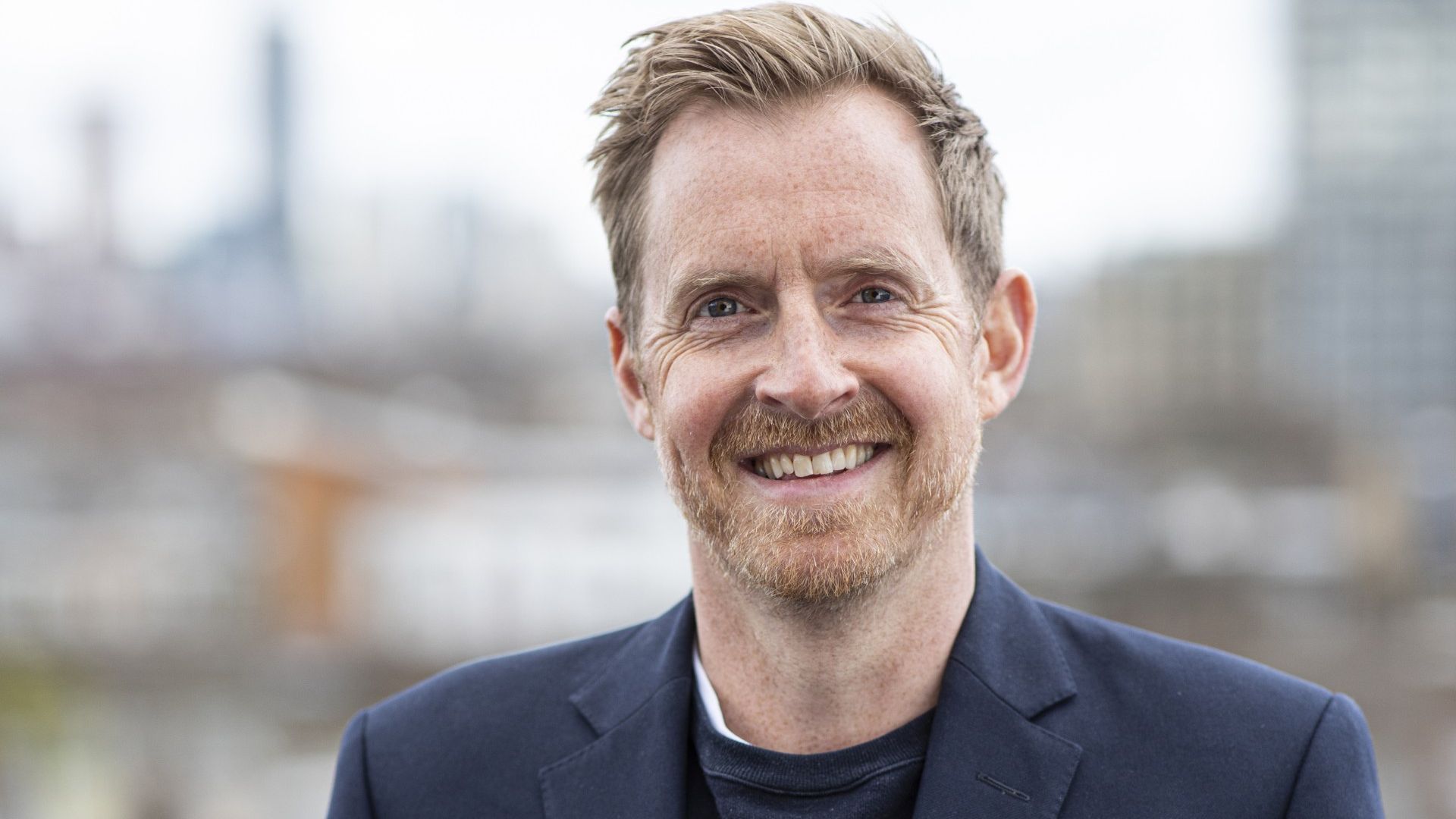
Britain is paying a £20 billion annual price for leaders pretending to know the answer, according to a new five-year workplace study of 3,159 professionals across 25 organisations, with findings stress-tested by senior economists.
The research, published by Uncertainty Experts, part of the Mediazoo Group, is Britain’s largest study into uncertainty, and reveals that 65% of leaders would rather appear decisive and be wrong than admit uncertainty and be right. The pattern has remained stable across five years of data.
The estimated cost to the UK economy sits at £20 billion annually, with a defensible range of £12.6 billion to £25.2 billion, based on external economic benchmarks and decision-making inefficiencies across organisations.
The pressure to project certainty is not strongest at the top of organisations.
Middle managers report the highest levels of “faking certainty” at 72%, followed by senior leadership teams at 68.9%. In contrast, just 46.8% of C-suite executives report the same behaviour.
The study suggests that the closer individuals are to operational delivery, where decisions are scrutinised but not always owned, the more likely they are to project confidence rather than express doubt.
The data, drawn from five years of consistent measurement, shows little movement in attitudes towards uncertainty despite significant organisational change, economic volatility, and the rise of AI-driven decision systems.
Sam Conniff, Chief Uncertainty Expert at Mediazoo Group, said, “The closer you are to the top, the less you need to perform certainty. It’s the layer just below that is driving the crisis.
Two out of three leaders would rather look like they know what they’re doing than get the right answer with visible doubt. We call it Certainty Theatre, and it’s everywhere.”
The report identifies a minority group, 35% of leaders labelled “Uncertainty Ready”, who resist the pressure to perform certainty.
These leaders are more likely to surface risks earlier, make clearer decisions under ambiguity, and take greater ownership of outcomes over time.
Giles Smith, CEO of Mediazoo Group, added, “They are already inside your organisation. Some are in your leadership team. Some are the people you’ve been trying to define but couldn’t quite name.
The organisations that thrive in the next decade will not be the ones with the most confident-sounding leaders. They will be the ones that stop rewarding performance of certainty and start rewarding better thinking.
That is not a cultural nice-to-have. It is a £20 billion competitive edge.”
About the Report
The State of Uncertainty Survey is an anonymous diagnostic conducted prior to the introduction of any training or framework. The 2026 dataset covers FMCG, energy, technology, international development, cross-sector leadership programmes, and policing. The pre-2026 cohort covers financial services, social media, healthcare, education, defence, and specialist consultancy.
The £20 billion estimate is anchored to the Chartered Management Institute’s £84 billion figure for the annual cost of poor management to the UK economy, combined with McKinsey’s finding that executives spend 37% of their time making decisions, more than half of it judged ineffective by the deciders themselves.